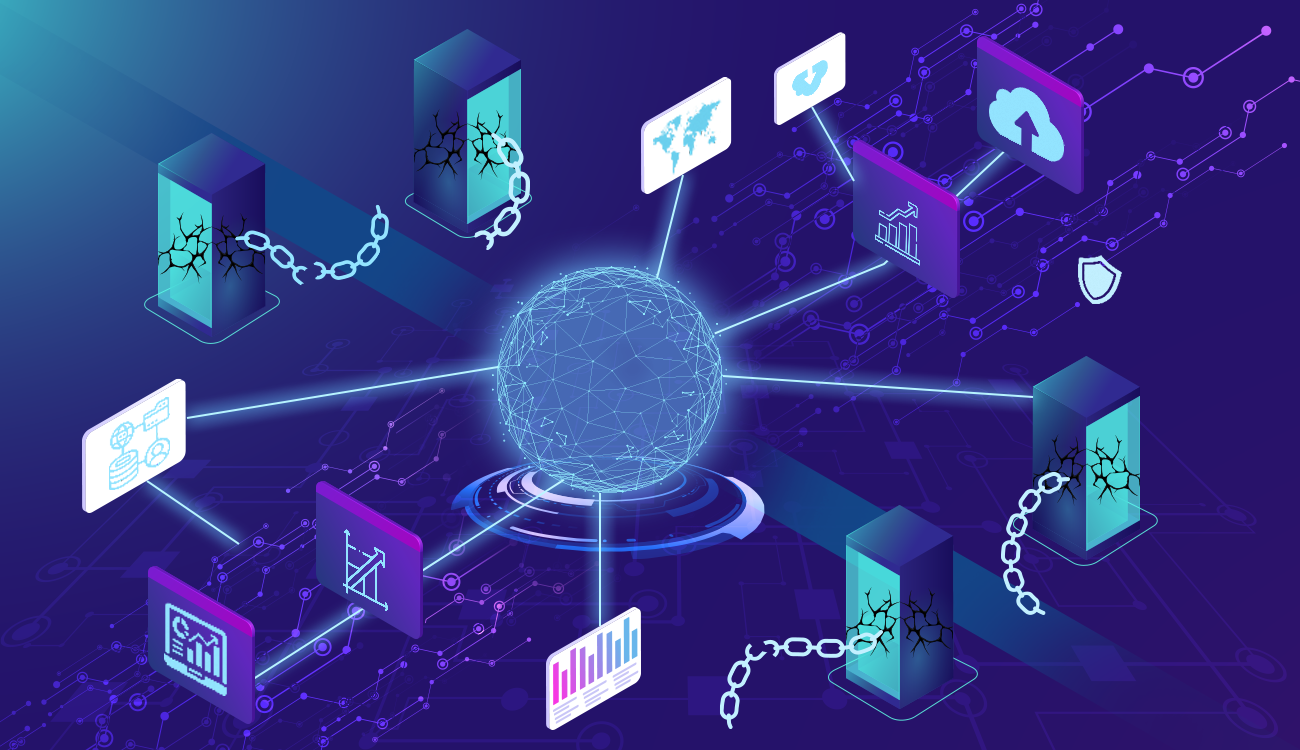


Modern enterprises have never had more software—yet they’ve never felt more fragmented.
Sales teams live inside CRMs.
Finance depends on ERPs.
Operations juggle half a dozen SaaS tools.
Leadership relies on dashboards stitched together manually.
Despite this abundance, critical business decisions are still slow, reactive, and human-dependent.
This paradox exists because traditional systems were built to store and manage data, not to understand or act on it.
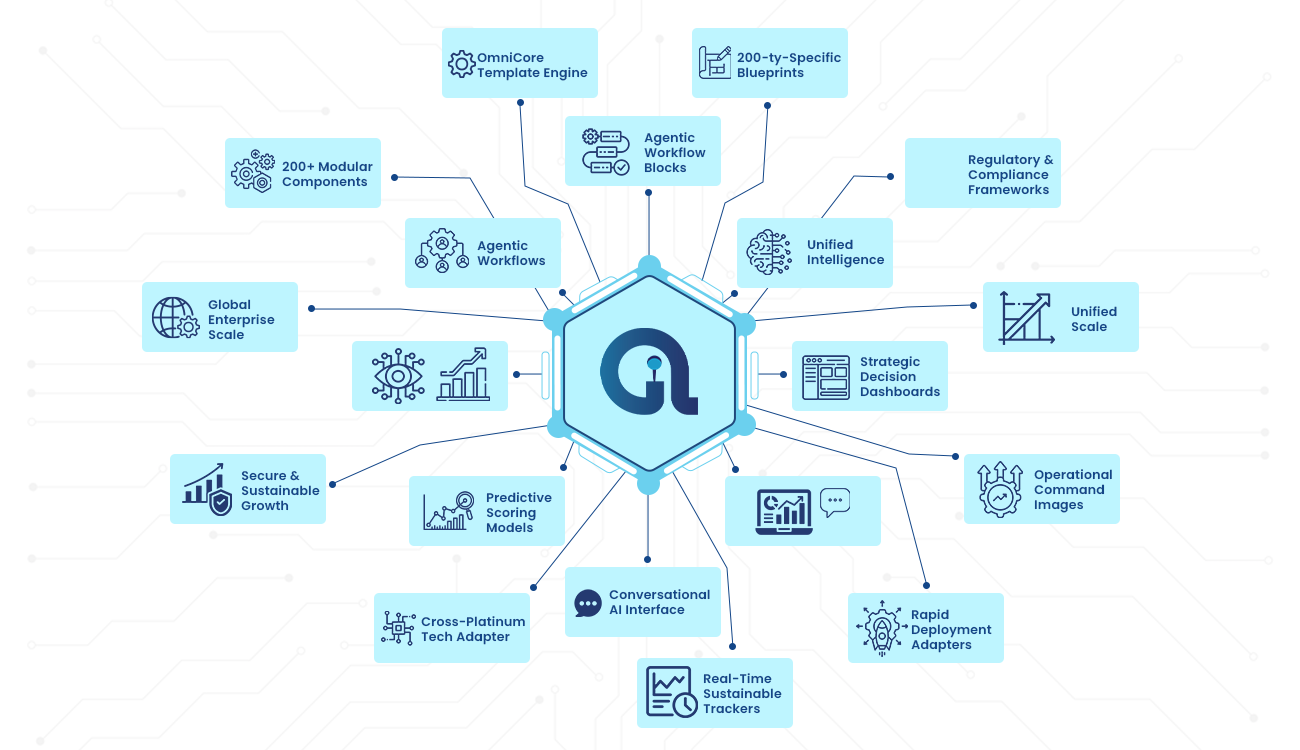
This is where the idea of an AI Business OS emerges—not as another tool, but as a foundational intelligence layer that orchestrates the enterprise as a living system.
An AI Business OS is a centralized, AI-native operating layer that:
Unlike ERP or CRM platforms, an AI Business OS does not belong to a single function.
It belongs to the business as a whole.
Key Insight (Bold Styling Recommended):
An AI Business OS doesn’t ask “What happened?”
It answers “What should we do next—and why?”
Legacy enterprise stacks suffer from three structural limitations:
Siloed Intelligence
Each system optimizes its own function, but no system sees the full picture.
This is why enterprises struggle with:
A true AI Business OS operates across four integrated layers:
This layer enables:
Connects offline signals (footfall, calls, visits) with digital intelligence.
Intelligence Layer
Powered by Agentic and Conversational AI, this layer understands intent, context, and patterns.
Enterprises using AI-native operating layers report:
An AI Business OS is not a trend—it is a necessary evolution.
As enterprises scale, complexity increases.
Only intelligence—not more tools—can manage that complexity.